
Loading...
Serving North Miami Beach, FL and surrounding areas. (645) 300-7757
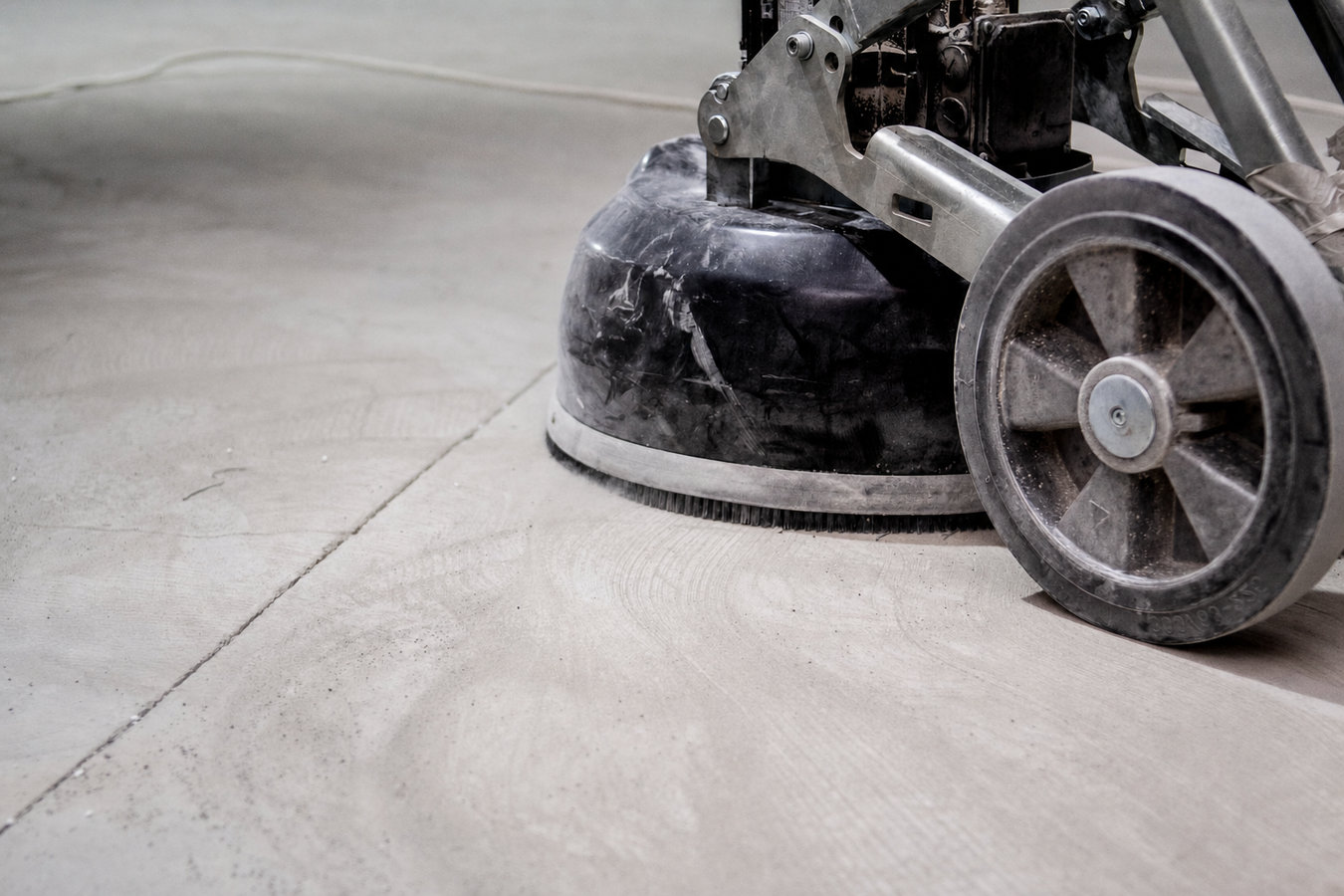
Old coatings, adhesive residue, and uneven slabs stop new floors from bonding - we grind surfaces flat and test for moisture so your next coating holds up through South Florida weather.
Concrete grinding in North Miami Beach uses diamond-disc machines to remove old coatings, level high spots, and open the pores of your slab so any new finish bonds correctly - most residential jobs wrap up in one to two days. A coating applied over a surface that has not been properly ground will peel, bubble, or fail within months no matter how good the product is.
Homes in North Miami Beach face a combination of challenges: slabs built between the 1950s and 1980s that have absorbed decades of humidity, salt air from the Atlantic coast that weakens the concrete surface over time, and a shallow water table that pushes moisture upward year-round. Skipping preparation is one of the most expensive mistakes a homeowner can make, because a failed coating costs more to fix than it would have cost to do it right the first time. For deeper cleaning and full removal of failed coatings before grinding begins, concrete floor stripping and removal is often the first step on heavily coated or badly damaged slabs.
Done right, grinding delivers a clean, flat, uniform surface that gives your next floor - whether an epoxy coating, a polish, or a sealer - the foundation it needs to perform for years.
If the paint or epoxy on your garage floor is lifting in sheets or forming bubbles, the surface was almost certainly not properly prepared before the coating went down. In North Miami Beach's humid climate, moisture pushing up through the slab is the most common cause - and the only real fix is to grind off the failed coating, address the moisture, and start fresh.
Many older North Miami Beach homes had terrazzo or vinyl tile floors that have since been torn out. What gets left behind is a rough, uneven slab covered in adhesive residue, patches, and high spots. That surface cannot be tiled, coated, or polished until it is ground flat - and more layers of old adhesive mean more work for the grinding process.
Oil stains in a garage, rust marks from old furniture, or mineral deposits from hard water that has pooled and dried - these stains are often too deep in the surface to remove with cleaning products alone. Grinding removes the stained layer entirely, giving you a fresh surface that can be sealed or coated so future stains do not penetrate as easily.
South Florida's combination of sun, salt air, and heavy rain accelerates the weathering of outdoor concrete. If your patio feels rough and uneven underfoot, or becomes dangerously slippery when wet, grinding can smooth and level the surface and prepare it for a non-slip coating or sealer. This is especially worth addressing before the rainy season arrives.
Every job starts with an honest assessment of the slab - its age, what was on it before, and how much moisture it is holding. From there we use diamond grinding equipment to remove old coatings, adhesive residue, paint, and surface contaminants, then make multiple passes at varying grits to hit the right surface profile for whatever finish goes on next. For surfaces that need more than grinding - deeply embedded coatings, thick mastic, or old adhesive that has hardened over decades - concrete floor stripping and removal handles those layers before the grinding stage begins.
Once the slab is properly prepared, the next step is protecting it. Our concrete sealing service applies penetrating or topical sealers suited to South Florida's coastal humidity and UV exposure, locking out moisture so the surface you just prepared stays clean and bonded. The OSHA silica standard requires dust-controlled equipment on grinding jobs - we use enclosed vacuum systems on every project so fine dust stays at the machine, not in your home.
Suited for garage floors, utility areas, and any slab where a previous coating has failed and needs to be fully removed before a new finish goes down.
For slabs left behind after old tile or vinyl flooring is pulled up - the residue that lingers prevents new flooring from bonding and must be ground away.
Ideal before new tile, luxury vinyl plank, or any hard flooring that requires the concrete to be flat within a tight tolerance to avoid cracking or buckling.
For patios, driveways, and pool decks that have become rough, pitted, or slippery with age - smoothing the surface and preparing it for a non-slip sealer or coating.
North Miami Beach sits in one of the most humid regions in the continental United States, with average relative humidity regularly above 70 percent even in the dry season. Concrete slabs here hold far more moisture than slabs in drier climates, and that trapped moisture will cause any coating to fail if the surface is not properly tested and prepared before work begins. Add in the salt air from the Atlantic coast - which gradually weakens the top layer of concrete and makes surfaces more porous - and you have conditions that punish shortcuts faster and more severely than almost anywhere else in Florida. Homeowners in Aventura and Hallandale Beach face the same coastal conditions - we bring that local understanding to every job we take on in the area.
A significant portion of North Miami Beach's homes were built between the 1950s and 1980s, many with concrete slabs originally covered by vinyl tile or terrazzo. Some of that old flooring - particularly vinyl tiles installed before the mid-1980s - may contain asbestos, which requires professional testing and removal before any grinding begins. A concrete contractor who asks about your home's age and floor history before starting is doing their job correctly. The Miami-Dade County asbestos regulations require that asbestos-containing materials be properly handled before demolition or grinding work begins - this step protects your family and the crew.
When you reach out, we will want to see the space before giving you a price - not just ask for square footage over the phone. We typically respond within one business day to schedule a visit. That walk-through is your chance to ask questions and see how we work.
During the visit, we check the condition of the slab, test for moisture, and ask about the floor's history - what was on it before and what is going on next. In North Miami Beach, the moisture check is not optional. You receive a written estimate before any work is scheduled.
Clear the work area completely - vehicles out of the garage, furniture moved, fragile items protected. If your home was built before the mid-1980s and has old vinyl tile, let us know so we can confirm whether asbestos testing is needed before grinding starts.
The crew uses enclosed vacuum systems to keep dust contained. Depending on the area and floor condition, the work takes one to two days. When grinding is complete, walk the floor with us before we leave - point out any concerns, and ask about the waiting period before your next finish goes down.
Free on-site estimate. Written quote before any work begins. No pressure, no obligation.
We test your slab for moisture before starting - not just after. In North Miami Beach's humid climate, skipping this step is how coatings fail within the first rainy season. Testing first tells us exactly what we are working with and lets us choose the right products.
Concrete grinding produces fine silica dust that can spread throughout a home if not captured at the source. We use enclosed industrial vacuum systems on every job, meeting OSHA's requirements for crystalline silica exposure and keeping your living space clean after we leave.
We have worked on slabs all across North Miami Beach - from 1960s ranch homes with original terrazzo adhesive residue to mid-century garage slabs that have never been coated. Understanding what these floors have been through is how we set realistic timelines and give accurate quotes.
The American Concrete Institute sets professional standards for how concrete surface work should be done. We follow those standards and tell you plainly if your slab has issues - like moisture problems or cracks - that need attention before a coating can go down. No surprises mid-job.
Surface preparation is the step that makes every other flooring investment work. We take it seriously because cutting corners here means the coating you paid for will fail - and fixing a failed coating costs more than doing the preparation right the first time.
Penetrating and topical sealers applied after grinding to lock out moisture and protect your freshly prepared slab.
Learn MoreFull removal of failed coatings, adhesives, and old flooring systems down to bare concrete before new work begins.
Learn MoreSpots fill quickly before rainy season - call or send us a message today and we will schedule your free on-site estimate.