Loading...
Serving North Miami Beach, FL and surrounding areas. (645) 300-7757
Uneven floors, lifting tile, and moisture pushing up through older slabs - we test, prep, and pour a level surface that gives your flooring a solid base and stops the cycle of repeat repairs.
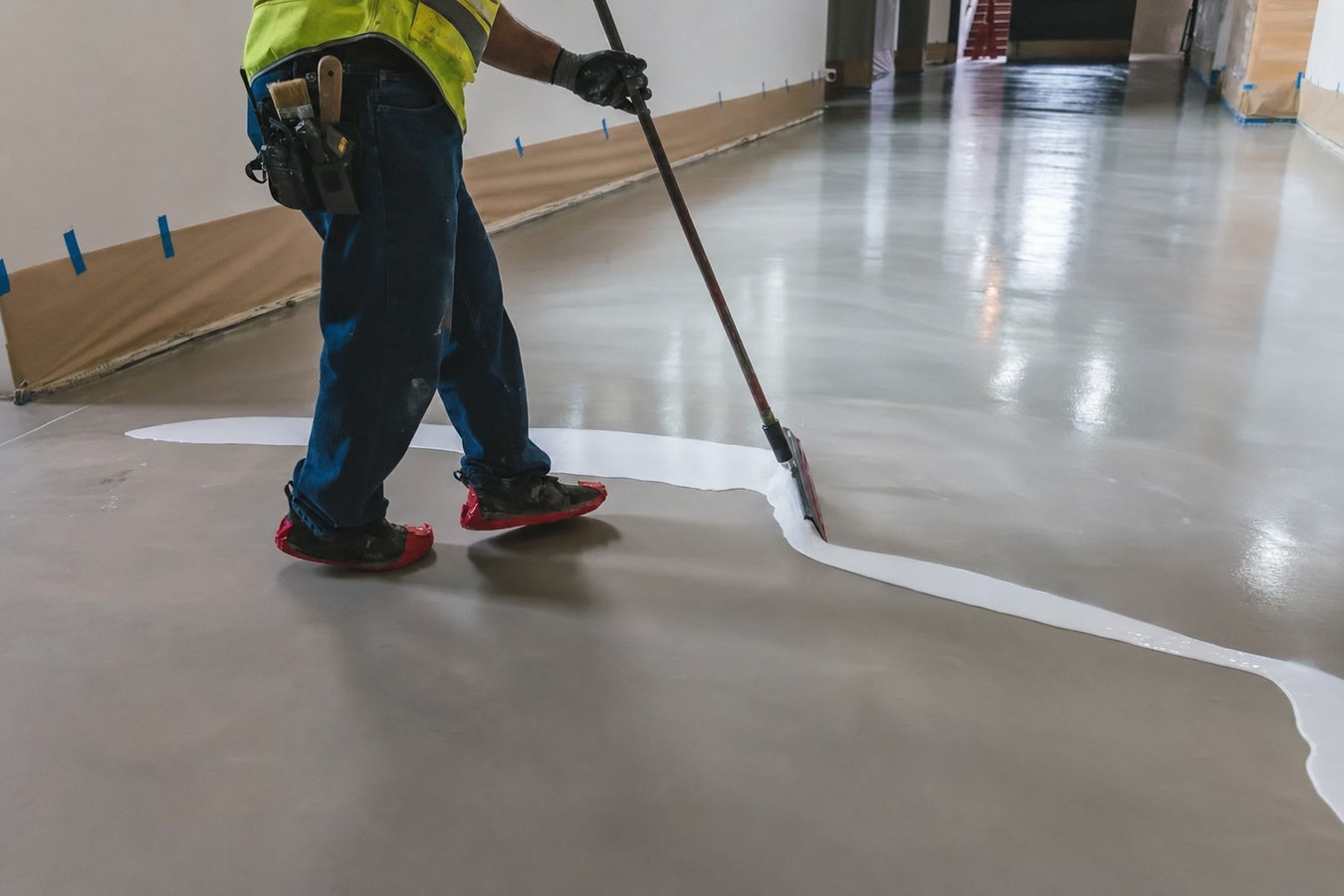
Self-leveling concrete in North Miami Beach is a specially formulated material poured directly onto an uneven floor - it flows into the low spots on its own and creates a smooth, flat surface that is ready for tile, vinyl, hardwood, or other finishes. Most interior residential jobs are completed in one to two days of active work, with light foot traffic possible within 24 hours.
If you have ever had tile crack repeatedly, vinyl peel up at the edges, or floors that rock furniture no matter how much you shim it, the problem is almost certainly the slab underneath - not the flooring itself. In North Miami Beach, where a large share of homes were built in the 1950s through 1970s on slabs that have been shifting and settling for decades, this is one of the most common floor problems contractors are called to fix. Beyond unevenness, many slab-on-grade homes in this area deal with moisture migrating up through the concrete during the rainy season, which damages any flooring installed on top. Proper moisture testing and a moisture-blocking primer applied before the pour are essential steps - not optional ones. For floors where the surface is rough, contaminated, or carrying old adhesive, proper concrete grinding and surface preparation comes first so the new material bonds correctly.
Done right, the result is a floor that stays flat, keeps moisture out, and lets whatever you install on top actually last. Call us or get a free estimate below.
If you notice a dip or a rise in the middle of a room, or if furniture rocks slightly even on a hard floor, the slab underneath has likely shifted over time. In North Miami Beach, where many homes were built decades ago on ground that has settled since, this is one of the most common reasons homeowners call a concrete contractor. You do not need to measure anything - if it feels off, it probably is.
If you have had tile, vinyl, or laminate installed and it keeps cracking or popping up at the edges, the problem is almost certainly the floor underneath - not the flooring itself. A surface that is not flat puts stress on whatever is installed on top of it, and no amount of re-grouting or re-gluing will fix the root cause. Self-leveling concrete addresses the actual problem so your next floor installation lasts.
White powder or a chalky residue on a concrete floor - especially in a garage or utility room - is a sign that moisture is pushing up through the slab from below. In South Florida's rainy season, this is especially common in slab-on-grade homes close to the water table. Left alone, this moisture will damage any flooring you put on top. Addressing it now with a proper overlay and moisture barrier is far less expensive than replacing flooring repeatedly.
Any flooring installer worth hiring will check whether the substrate is flat and dry before they start. If yours tells you the floor needs leveling before they can proceed - or if a previous installer told you the same thing - self-leveling concrete is typically the fastest and most cost-effective solution. It creates the flat, stable base that makes a tile, vinyl, or hardwood installation actually hold.
Every job starts with a moisture test - in South Florida, skipping this step is one of the most common reasons overlays fail within their first year. If moisture is present, we apply a barrier primer before the pour so the new material bonds to the slab and stays there. Surface grinding or cleaning follows to open up the concrete and give the self-leveling material something to grip. The American Concrete Institute identifies moisture vapor emission testing as a critical step in overlay work - and in humid, slab-on-grade cities like North Miami Beach, it matters more than it does in most of the country.
Beyond leveling, we also apply decorative overlays for homeowners who want a finished surface, not just a flat one. For outdoor spaces like pool decks and patios that need more than just leveling, concrete resurfacing and overlays bonds a new polymer-modified layer over your existing slab with UV-resistant sealing suited to South Florida's outdoor conditions. Each option below is matched to the situation it solves best.
A functional pour designed to create a flat substrate before tile, vinyl, or hardwood is installed - the right choice when leveling is the goal and the finished floor covers it.
A smoothed and polished finish left exposed as the final floor surface - suited for open-plan living areas, studios, or any space where a clean, modern look is the goal.
Color applied to the overlay layer before or after curing - a good option when the overlay will be the visible finished floor and you want a consistent, polished appearance.
Self-leveling products rated for exterior use, applied to pool decks, patios, and entry areas where drainage slope and UV exposure require materials designed specifically for outdoor South Florida conditions.
Nearly every home in North Miami Beach is built on a concrete slab poured directly on the ground - there is no basement or crawl space underneath. This slab-on-grade construction style means moisture from the soil below can migrate up through the concrete, especially during the rainy season that runs from June through September. The combination of that moisture movement, aging slabs from the 1950s through 1970s, and the natural settling that happens over decades makes uneven and moisture-damaged floors genuinely common here. Miami-Dade County also operates under one of the stricter building codes in the state - put in place largely after Hurricane Andrew in 1992 - and contractors who know the local requirements pull permits when needed rather than suggesting shortcuts. Miami-Dade County Building Department information is available online if you want to check what applies to your specific project.
Homeowners in Sunny Isles Beach and Aventura deal with the same slab-on-grade moisture concerns and aging housing stock. If you live close to the Intracoastal Waterway or in a canal-front neighborhood like Keystone Islands, salt air and tidal moisture add another layer to the equation - materials and primers rated for coastal exposure are not optional in those locations. We work on properties throughout this area and factor local conditions into every job assessment.
Reach out by phone or through our contact form and we will respond within one business day. Tell us the room or area you are dealing with, whether you have noticed any moisture or cracking, and what you are planning to put on top of the floor afterward. That information lets us figure out whether a phone conversation or an in-person visit makes more sense before quoting.
We walk the space, check how uneven the floor is with a level or straightedge, and look for signs of moisture, cracking, or slab damage. In South Florida, we test for moisture coming up through the concrete - this step affects both the approach and the price, and skipping it is one of the most common reasons poured floors fail in this climate. You will receive a written estimate within a day or two of the visit.
You clear the room of furniture and appliances before the crew arrives. We grind or clean the concrete surface, apply a moisture primer if needed, then mix and pour the self-leveling material. The application for a typical room takes just a few hours once the surface is ready - the prep work typically takes longer than the pour itself.
Light foot traffic is usually possible within 24 hours, but the floor will not be ready for furniture, tile installation, or heavy use for three to seven days. In North Miami Beach's humid summer months, we recommend the longer end of that window. We do a final walkthrough with you before we leave and confirm the surface is ready for whatever flooring goes on top.
We test your slab for moisture before we touch it and give you a written quote that covers everything - prep, materials, and labor - before any work begins.
In a slab-on-grade city this close to the coast, concrete moisture is not a rare edge case - it is the most common reason floor overlays fail early in South Florida. We test every slab before we pour anything on top of it. If moisture is present, we address it with a barrier primer before the self-leveling material goes down. You will know exactly what the slab showed and what we did about it.
We work on older concrete slabs throughout North Miami Beach regularly - including homes in Ojus where 1960s construction is common, and canal-front properties in Keystone Islands where coastal moisture is an added factor. That local experience means we recognize problems specific to this area's housing stock rather than treating every slab as identical.
One of the biggest fears homeowners have when hiring any contractor is getting a surprise bill at the end. Our quotes cover prep work, materials, labor, and any moisture treatment your slab needs - before we start. No add-ons you did not agree to. Florida requires licensed concrete contractors to carry proper insurance and meet state standards - you can verify any contractor license at myfloridalicense.com.
Not every uneven floor needs self-leveling concrete - some problems are better addressed through grinding, crack repair, or a different overlay product. We tell you which approach makes the most sense for your specific situation before you commit to anything. If the answer is not self-leveling concrete, we will tell you that too.
A properly poured and sealed self-leveling floor gives whatever goes on top a stable, moisture-resistant base that lasts - instead of the cycle of cracking, lifting, and re-installing that happens when the underlying problem is ignored. Call us or request a free estimate to find out what your slab actually needs.
Decorative and protective finishes for pool surrounds that handle heat, pool chemicals, and constant wet-dry cycles in South Florida.
Learn MoreA fresh polymer-modified layer bonded over worn outdoor concrete - no demolition, no hauling, UV-sealed and ready for years of South Florida weather.
Learn MoreOur North Miami Beach crews book fast - especially heading into the drier winter season when conditions are ideal for a lasting pour. Call or request a quote today.