Loading...
Serving North Miami Beach, FL and surrounding areas. (645) 300-7757
South Florida sun, salt air, and rainy-season storms eat through unprotected concrete fast - we apply UV-rated sealers that keep moisture out and your driveway, patio, or pool deck looking right.
Concrete sealing in North Miami Beach applies a thin protective layer over your slab that keeps water, oil, mold, and stains from soaking in - most residential driveways and patios are sealed in a single day, with the surface ready for light foot traffic within 24 hours. Without a sealer, moisture and everyday spills work their way into the concrete and slowly break it apart from the inside.
In a city like North Miami Beach - where the rainy season brings daily afternoon storms from June through September, salt air from the Atlantic accelerates concrete wear, and many older homes have concrete that has never been properly sealed - the difference between a protected and unprotected surface is significant. Every sealing job starts with thorough pressure washing and surface preparation, because a sealer applied over a dirty or damp surface will peel within months no matter how good the product is. For slabs that are rough, pitted, or still carrying old adhesive residue, proper concrete grinding and surface preparation may be needed before the sealer goes on.
Done right, a fresh sealer turns a porous, staining-prone surface into one that sheds water cleanly, resists mold and algae, and holds its appearance through South Florida's toughest seasons.
Pour a small amount of water on your driveway or patio. If it soaks in within a minute or two and darkens the surface, the sealer is gone and the concrete is unprotected. Properly sealed concrete causes water to bead up and sit on the surface. If you are seeing the soak-in effect, it is time to reseal before the next storm season arrives.
In North Miami Beach's intense sun, concrete that once had a clean finish can fade to a washed-out, chalky appearance over time. This is not just cosmetic - it is a sign that UV rays have broken down whatever protection was there. If your driveway or patio looks noticeably duller than it did a few years ago, the sealer has likely worn through.
A white or grayish powder on the surface - especially after rain - is a sign that moisture is moving through the concrete and bringing mineral deposits with it. In a coastal area like North Miami Beach, this happens faster than in inland cities because of the humidity and salt air. Left alone, this process weakens the concrete over time.
Unsealed concrete is porous, which means oil from a parked car, mold spores from South Florida's humidity, and algae from rain splash can all work their way into the surface. If you are noticing dark stains that were not there before, or green or black patches forming in shaded areas, the concrete is absorbing what it should be repelling.
Every job starts the same way: a thorough walk of the surface, pressure washing to remove dirt, mold, and algae, pre-treatment of any oil stains, and crack repair before a single coat of sealer is applied. We use products specifically formulated for South Florida's UV intensity and coastal humidity - not general-purpose sealers that are rated for cooler, drier climates. The Portland Cement Association notes that the right sealer selection matters as much as the application itself - a product that does not match your surface type and climate will underperform no matter how carefully it is applied.
For slabs that have deteriorated beyond what a sealer alone can address, concrete resurfacing and overlays bonds a fresh layer directly over your existing concrete and gives the surface a complete renewal before the sealer goes on top. Each finish option below is matched to how the surface is used - we help you pick what makes sense for your home, not just what is easiest to apply.
Works below the surface to block moisture from within - a low-maintenance choice for driveways and walkways where you want protection without changing the look of the concrete.
A surface-level film that enhances color and adds a sheen - suited for patios and decorative concrete where a finished, cared-for appearance is part of the goal.
Gives concrete a deep, wet appearance - popular for pool deck surrounds and decorative areas, though best avoided on surfaces where slip resistance when wet is a priority.
Protection without added gloss - a practical option for HOA communities with rules about exterior finishes, or anywhere you want durability without a noticeable change in appearance.
North Miami Beach sits in one of the sunniest parts of the country, and that constant UV exposure breaks down standard concrete sealers much faster than it would in a cooler climate. Most homeowners here need to reseal every one to two years - compared to two to three years in most of the country. Salt air from the Atlantic, particularly for homes east of Biscayne Boulevard, works its way into unsealed concrete and corrodes it from within - damage you may not see until it is already significant. The combination of UV, salt air, frequent rain, and a coastal water table makes the formula your contractor chooses one of the most important decisions on the job. Homeowners in Sunny Isles Beach and Bal Harbour face the same coastal wear patterns - we know what products hold up in these conditions because we work in them regularly.
Many North Miami Beach neighborhoods were developed in the 1950s through 1970s, and a lot of that original concrete - driveways, walkways, pool decks - has never been sealed or has not been touched in decades. Older concrete often has surface wear, minor cracking, and embedded staining that needs to be addressed before any sealer is applied. A good contractor accounts for this prep time honestly in the estimate rather than rushing past it. A significant portion of North Miami Beach's residential communities are also governed by homeowners associations - some of which have rules about exterior finishes. A low-sheen or clear sealer typically avoids any HOA conflict, but it is worth confirming before you commit to a decorative or tinted option.
When you reach out, we will ask a few basic questions about the surface and its condition, then schedule a time to come look in person. Most local contractors offer free estimates - take them up on it, because the condition of your concrete matters as much as the square footage. We typically respond within one business day.
During the visit, we walk the surface with you and point out anything that needs attention before sealing - cracks, spalling, oil stains, or mold. You receive a written quote before any work is scheduled, and we explain what we found in plain terms so there are no surprises on the final invoice.
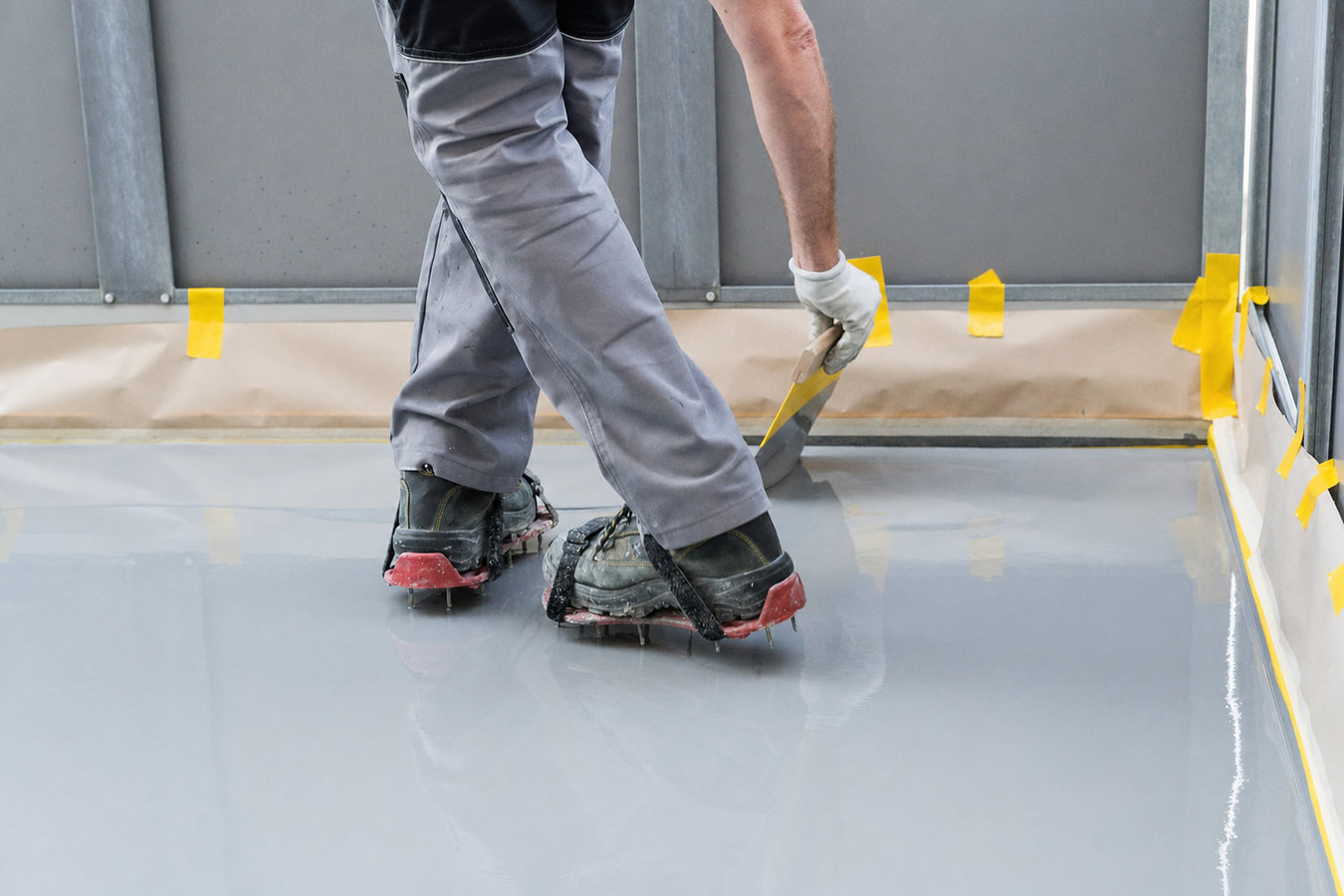
On the day of work, we pressure wash the entire surface, pre-treat oil stains with a degreaser, and fill any cracks or damaged spots before they dry. This step takes longer than most homeowners expect - but it is where the quality of the job is won or lost. We schedule early to avoid afternoon rain and keep the surface from getting too hot in direct sun.
Once the surface is completely clean and dry, the sealer goes on in thin, even coats - typically one to two passes. Plan on staying off the surface for at least 24 hours on foot, and 48 to 72 hours before parking a vehicle. Before the crew leaves, we walk the surface with you and tell you exactly when it is safe to use again.
Free on-site estimate. No obligation. We will walk your surface with you and give you a written quote in plain language.
General-purpose sealers sold at hardware stores are rarely rated for the UV intensity and coastal humidity that North Miami Beach gets year-round. We use formulas specifically designed for this climate - products that hold up longer and give you more time between resealing cycles.
The most common reason a sealer fails early is being applied over a dirty or damp surface. We pressure wash, degrease, fill cracks, and let everything dry completely before a single coat goes on. The prep phase takes more time than the application itself - and that is exactly how it should be.
We work regularly in North Miami Beach neighborhoods where HOAs have rules about exterior finish appearances. Before you commit to a gloss or tinted option, we help you check whether it is going to cause a problem with your association - that kind of local knowledge saves you a costly redo.
The Florida Concrete and Products Association emphasizes that sealer should never be applied in direct midday sun or when rain is forecast within 24 hours. We schedule morning applications during summer and will reschedule if conditions are not right - because a job done in the wrong weather is a job that fails.
Sealing is one of the most cost-effective things you can do to extend the life of your concrete. Catching a surface at the right time - before it starts cracking, spalling, or absorbing stains - costs a fraction of what repair or resurfacing runs later.
A fresh layer bonded over your existing slab to repair surface damage and give worn concrete a completely new look.
Learn MoreDiamond grinding to level, clean, and open the slab surface so every sealer or coating bonds the way it should.
Learn MoreCall or send us a message today - spots fill fast before rainy season and we will get you on the schedule with a free on-site estimate.